
Exploring Public Service Through Lead for NC: Maria Cuenca-Romero in Murphy
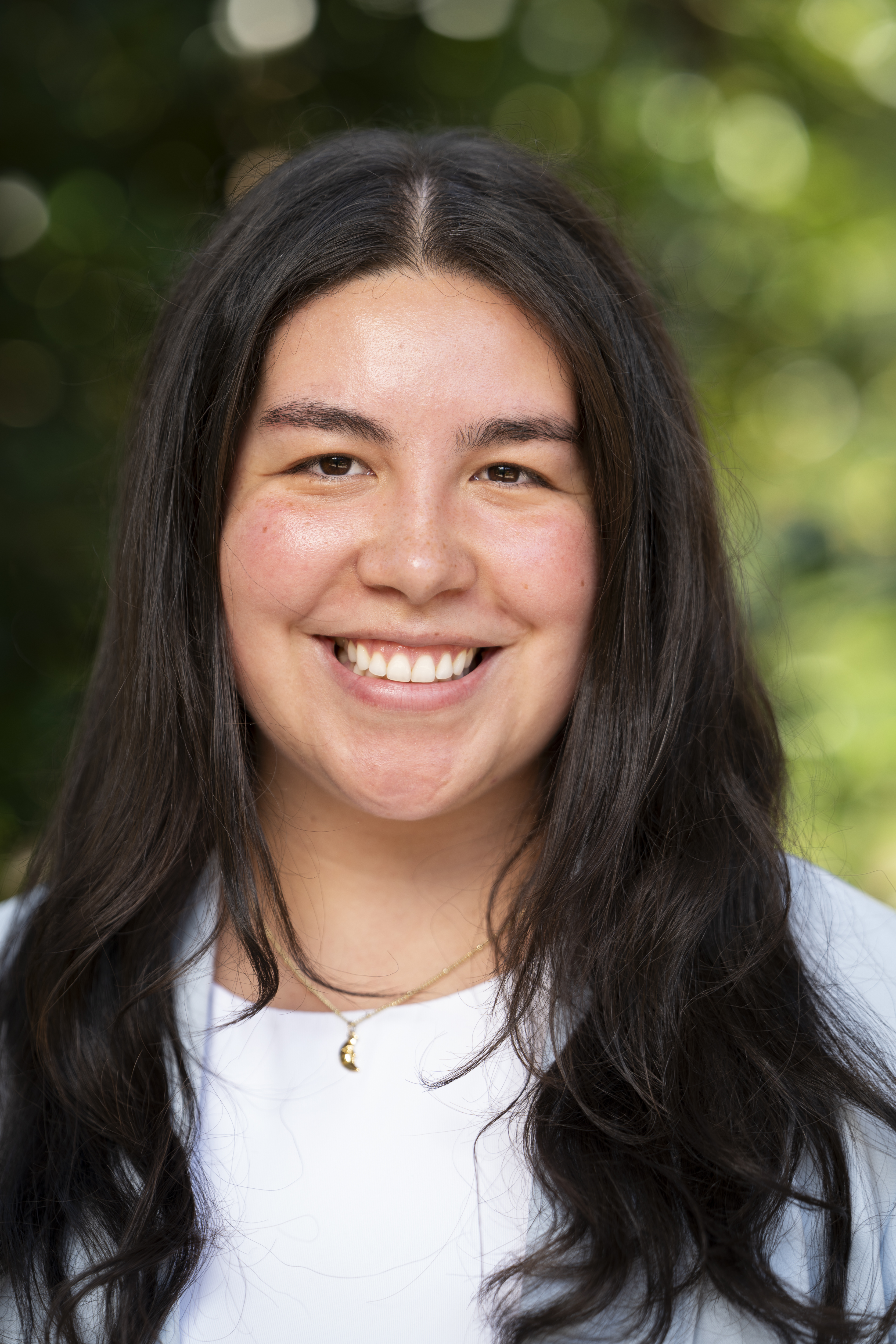
Maria Cuenca-Romero is driven by a genuine desire to give back, turning her passion for public service into meaningful change for the communities she serves. After attaining a bachelor’s degree in political science and global studies, Cuenca-Romero served in the Peace Corps in Peru before signing up for Lead for North Carolina. Lead for NC is a leadership development program that places aspiring public service leaders in fellowships at local government offices across the state. She was drawn to the real-world experience the program offered, as well as the variety of projects and the opportunity to work in areas that interested her.
Cuenca-Romero is the Lead for NC Fellow for the Town of Murphy in western North Carolina. In her role, Cuenca-Romero wears many hats and helps the Town with a wide range of projects.
Building on the work of former Lead for NC Fellow Ona Elkins, Cuenca-Romero supports the Mayor’s Rising Stars youth development program. The program offers community service experiences and leadership development to high school students. Cuenca-Romero is finding new ways to recruit students and incentivize participation in the program. “Youth empowerment is something I’m passionate about,” she said. “In Peru, I was a youth development volunteer, so this was a great continuation for me to work in that area.”
In addition to her youth development work, another focus of Cuenca-Romero is downtown revitalization in Murphy. She contributed to a parking study of downtown, where she researched various parking options and presented the findings during a Town Council meeting, outlining solutions and their economic implications for downtown businesses.
Additionally, through her role as Lead for NC Fellow, Cuenca-Romero participated in a 12-week training program with Mountain Bizworks, where she developed a hypothetical pitch for redeveloping a community space downtown. Drawing on conversations with the mayor and community members, she reimagined the historic L&N Depot train station as a community hub for all ages, serving as a focal point for broader programming and community engagement.
For Cuenca-Romero, the training was a significant professional development opportunity: despite having no formal background in economic development, she gained practical exposure in the process of building a credible revitalization pitch. While she does not plan to immediately seek developers or funders, she now has a concrete proposal she can share with local leaders as inspiration for future work, and a clearer understanding of investment framing tools. “It was really valuable for me to go through the process, gain that knowledge, and come out with an idea that I could present to town leadership,” said Cuenca-Romero. “Perhaps this idea could provide inspiration for a future project for another Fellow.”
She also helped orchestrate community events, such as a community clean-up event for Murphy’s riverwalk, tracked 911 police calls as part of a case study on the intersection of mental health concerns and calls for police, and helped with applying for grants for a lift station sewer project related to disaster mitigation after Hurricane Helene.
“As part of my role as a Lead for NC Fellow, I get to work on a bunch of different side quests,” said Cuenca-Romero. “For instance, I was a crossing guard for the Halloween downtown trick-or-treating event, because that’s where I was needed. I love being involved in the community. I think this is a benefit of being in a small local government; I’m able to work on lots of different things.”
Reflecting on her experience with Lead for NC, she said, “Growing up, I benefited from many social programs, and since high school, I’ve known that serving the community was important to me. Lead for NC has broadened my perspective on what public service can look like. Local government impacts all of us, often in ways we don’t even realize.”
To learn how your municipality or county might host a fellow, visit https://lfnc.sog.unc.edu/for-governments/.
Published January 15, 2026.