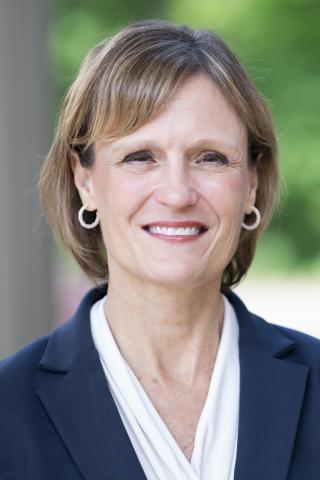
They say the only thing better than having a boat is having a friend with a boat. In my case, that friend is my brother-in-law, who not only has a boat, but also is a stickler for boating safety. That didn’t stop my kids, however, from questioning his every move over Memorial Day weekend. He knew all of the answers off the top of his head, but I had to look up the statutory citations. In the event you are lucky enough to have a friend or close relative with a boat (or to own one yourself), here is what we learned. 1. Why is Uncle Ricky counting all of the life vests? State Wildlife Resources Commission regulations adopted pursuant to G.S. 75A-6 require that one personal flotation device be on board and readily accessible for each person aboard the vessel before it may be operated on the waters of the State. 15A NCAC 10F .0201(b)(1). The personal flotation devices must be in serviceable condition; of appropriate size and fit for the intended wearer; approved by the United States Coast Guard; and legibly marked with its approval number. Id.(b)(5). 2. Why do I have to wear my life vest? You aren’t wearing yours, mom. Any child under 13 years old who is aboard a non-commercial vessel that is underway (meaning that the vessel is not at anchor, made fast to the shore, or aground) must wear an appropriate personal flotation device approved by the Coast Guard. The rule does not apply [...]
- AboutAs the largest
university-based local
government training,
advisory, and research
organization in the United
States, the School of
Government serves more
than 12,000 public officials
each year. - Browse by RoleThe School provides
content and resources for a
wide array of local
government and judicial
officials in North Carolina.Select your role to explore
all related content.Local and State Government - Browse by TopicThe School provides content
and resources on a wide array
of topics in local government
and judicial administration in
North Carolina.Select a topic to explore all
related content.Local and State Government- State Government
- Planning and Development Regulation
- Community and Economic Development
- Environment
- General Structure and Authority
- Health and Human Services
- Human Resources
- Information Technology
- Intergovernmental Relations
- Leadership and Management
- Local Government Finance
- Open Government
- Other Local Government Functions and Services
- CoursesThe School of Government
offers up to 200 courses,
workshops, webinars, and
professional conferences
each year. - PublicationsThe School of Government
publishes essential books,
manuals, reports, articles,
bulletins, and other print and
online content related to state
and local government. - BlogsFaculty write for a number
of School of Government
blogs providing timely
updates on emerging issues. - ResourcesThe School of Government
offers information and
services related to a wide
range of topics relevant to
government and judicial
officials—in-person and on a
variety of platforms.- Blog Posts
- Centers and Services
- Frequently Asked Questions
- Knapp Library
- Legal Summaries
- Listservs
- Microsites
- Tools and Apps
Timely updates on emerging issuesSpecialized training/research hubs and consulting servicesAggregated answers to common questions on a variety of topicsPrint and online materials and research expertiseBrief descriptions of legal cases, bills, or legislative activityInformation exchanges for peers and faculty expertsIn-depth or aggregated content for local government and judicial officialsOnline and mobile tools for employees on-the-go - Master of Public
Administration ProgramThe UNC MPA program prepares public service leaders. The program is offered in two formats: on-campus and online.For more information, visit mpa.unc.edu - GivingThe School of Government depends on private and public support for fulfilling its mission. Your gift will make a lasting impact on the quality of government and civic participation in North Carolina.
- Knapp LibraryThe Joseph Palmer Knapp Library houses a large collection of material on state and local government, public administration, and management to support the School's instructional and research programs and the educational mission of the Master of Public Administration program. Reference and research services are available to all residents of North Carolina, and additional assistance is available to state and local government personnel, both elected and appointed.