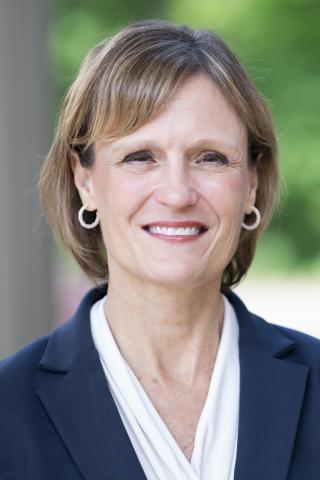
When I wrote about down-ballot election results a few weeks ago, I said that the election for Chief Justice of the North Carolina Supreme Court was too close to call. That remains the case. Current Associate Justice Paul Newby has a 409 vote lead over current Chief Justice Cheri Beasley and a recount is underway. Most people know that the Chief Justice is one of seven jurists on the North Carolina Supreme Court and that, like his or her fellow Associate Justices, the Chief Justice is elected to serve an eight-year term. Given the pandemic, many may also be familiar with the Chief Justice’s authority in response to catastrophic conditions to extend deadlines and periods of limitation and to issue emergency directives necessary to ensure the continuing operations of the courts. G.S. 7A-39. Readers may, however, be less familiar with other aspects of the Chief Justice’s authority and responsibilities that are essential to the administration of justice. The remainder of this post will highlight some of these lesser known roles and responsibilities, particularly as they relate to criminal proceedings. Impeachment. The Chief Justice must preside over an impeachment trial for the Governor or Lieutenant Governor of the State, but does not vote on the outcome. G.S. 123-2. According to this post from the Civitas Institute, only one North Carolina governor has ever been impeached, so Chief Justices have not often been called upon to exercise this authority. Assignment of Trial Judges. The Chief Justice is responsible for assigning superior court judges [...]
- AboutAs the largest
university-based local
government training,
advisory, and research
organization in the United
States, the School of
Government serves more
than 12,000 public officials
each year. - Browse by RoleThe School provides
content and resources for a
wide array of local
government and judicial
officials in North Carolina.Select your role to explore
all related content.Local and State Government - Browse by TopicThe School provides content
and resources on a wide array
of topics in local government
and judicial administration in
North Carolina.Select a topic to explore all
related content.Local and State Government- State Government
- Planning and Development Regulation
- Community and Economic Development
- Environment
- General Structure and Authority
- Health and Human Services
- Human Resources
- Information Technology
- Intergovernmental Relations
- Leadership and Management
- Local Government Finance
- Open Government
- Other Local Government Functions and Services
- CoursesThe School of Government
offers up to 200 courses,
workshops, webinars, and
professional conferences
each year. - PublicationsThe School of Government
publishes essential books,
manuals, reports, articles,
bulletins, and other print and
online content related to state
and local government. - BlogsFaculty write for a number
of School of Government
blogs providing timely
updates on emerging issues. - ResourcesThe School of Government
offers information and
services related to a wide
range of topics relevant to
government and judicial
officials—in-person and on a
variety of platforms.- Blog Posts
- Centers and Services
- Frequently Asked Questions
- Knapp Library
- Legal Summaries
- Listservs
- Microsites
- Tools and Apps
Timely updates on emerging issuesSpecialized training/research hubs and consulting servicesAggregated answers to common questions on a variety of topicsPrint and online materials and research expertiseBrief descriptions of legal cases, bills, or legislative activityInformation exchanges for peers and faculty expertsIn-depth or aggregated content for local government and judicial officialsOnline and mobile tools for employees on-the-go - Master of Public
Administration ProgramThe UNC MPA program prepares public service leaders. The program is offered in two formats: on-campus and online.For more information, visit mpa.unc.edu - GivingThe School of Government depends on private and public support for fulfilling its mission. Your gift will make a lasting impact on the quality of government and civic participation in North Carolina.
- Knapp LibraryThe Joseph Palmer Knapp Library houses a large collection of material on state and local government, public administration, and management to support the School's instructional and research programs and the educational mission of the Master of Public Administration program. Reference and research services are available to all residents of North Carolina, and additional assistance is available to state and local government personnel, both elected and appointed.