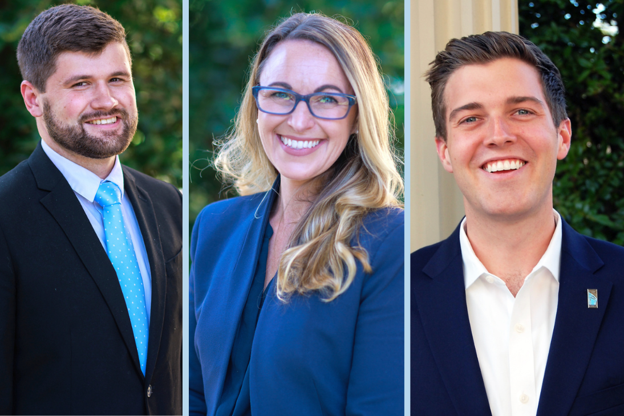
The Bill and Peggy Britt Foundation made a $5 million gift to the UNC School of Government to help students, recent graduates, and emerging professionals discover, prepare for, and pursue meaningful careers in public service.The gift established the Bill and Peggy Britt Legacy Endowment for Service and Public Leadership and provides immediate support for the School’s growing continuum of public service education and workforce development programs.
/about/news/bill-and-peggy-britt-foundation-5m-gift-prepare-future-public-service-leaders
News
October 13, 2026
380146
/about/news/unc-school-government-names-first-ever-local-government-law-fellow
News
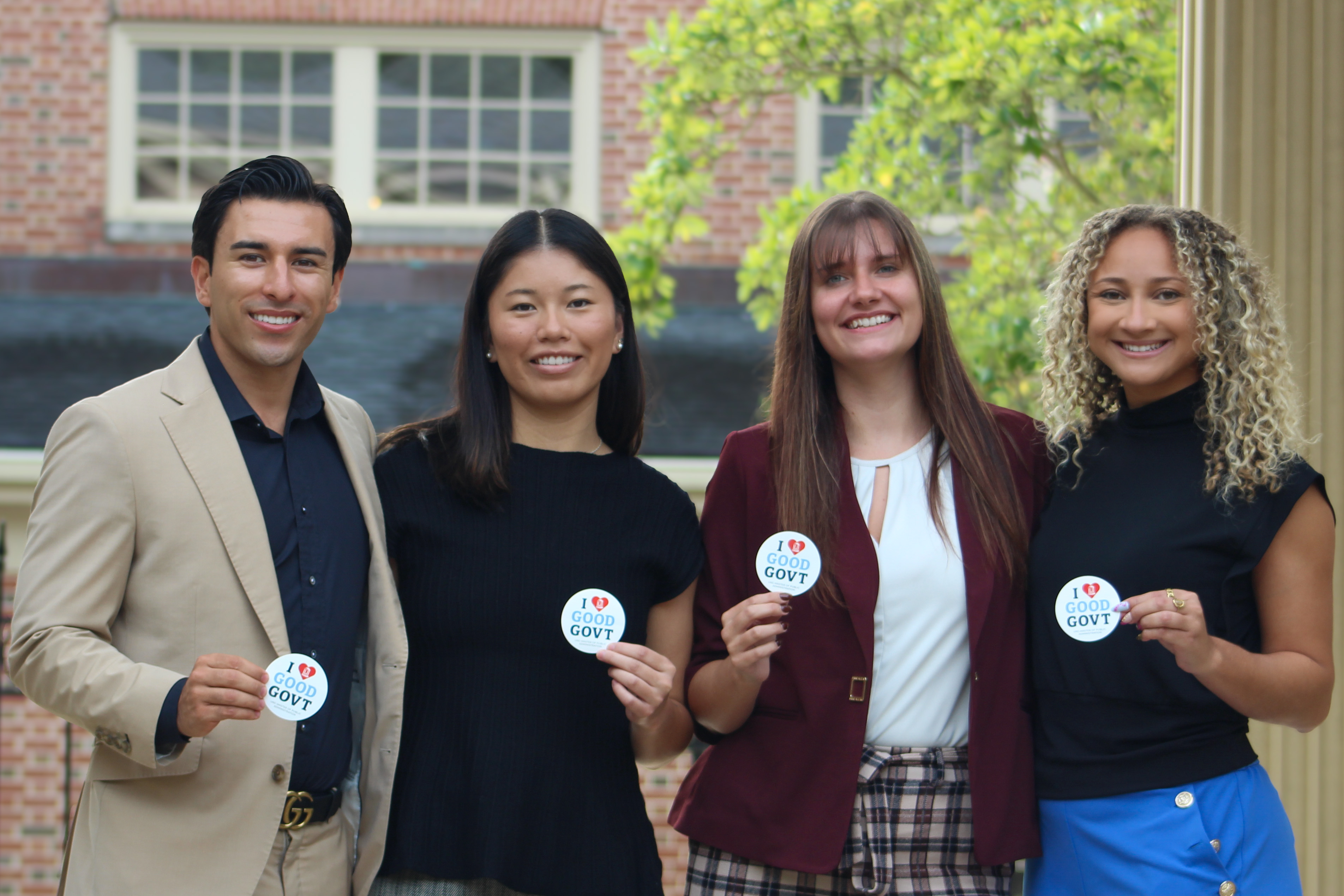
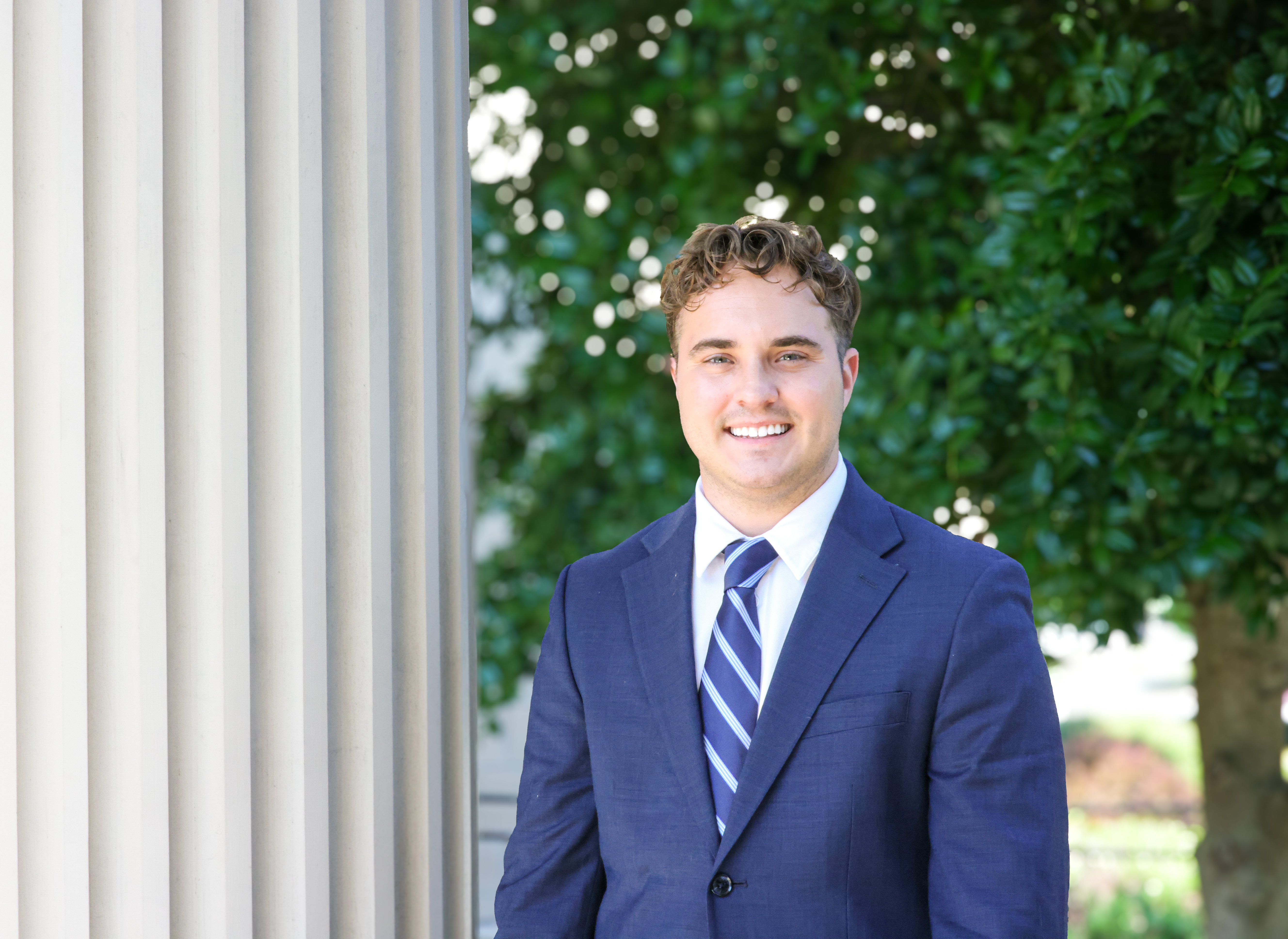
Lucas Lawrence has joined the UNC School of Government as the first fellow in a new initiative designed to strengthen the pipeline of attorneys entering local government law across North Carolina.
October 6, 2026
380015
/about/news/mission-moment-julie-beasley-helps-connect-older-north-carolinians-their-local-governments
News
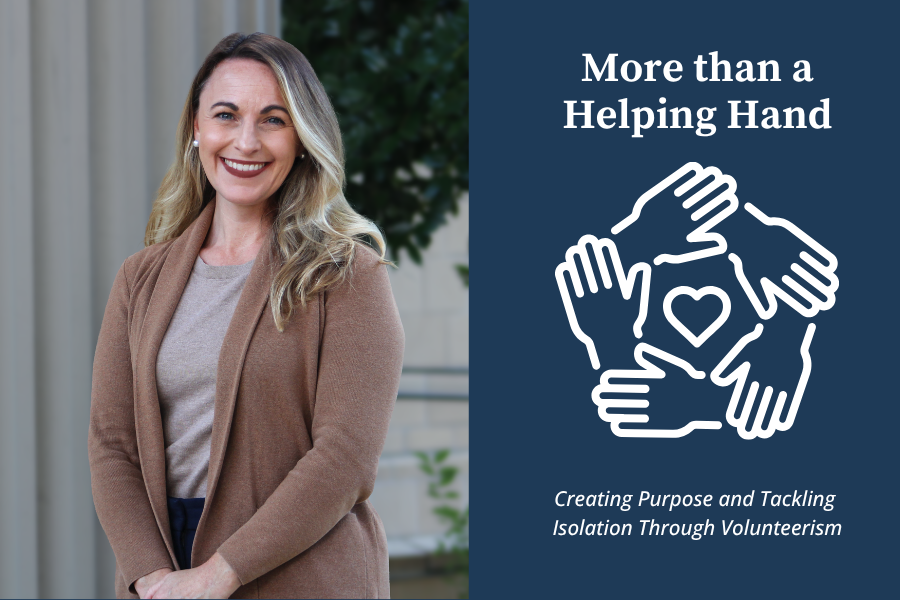
In North Carolina, 26.8 percent of older adults live alone, with 1 in 4 globally experiencing isolation, and 1 in 10 dealing with the effects of depression caused by isolation.
September 25, 2026
372410
/about/news/three-government-professors-honored-richard-and-judy-vinroot%E2%80%99s-legacy
News
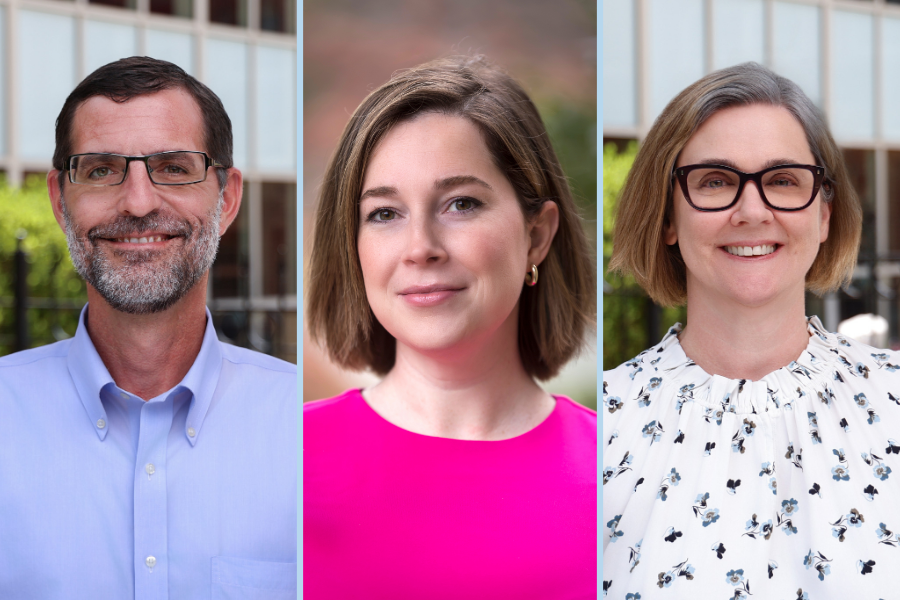
Three School of Government faculty members
September 16, 2026
372199
/about/news/service-country-sharpened-education
News
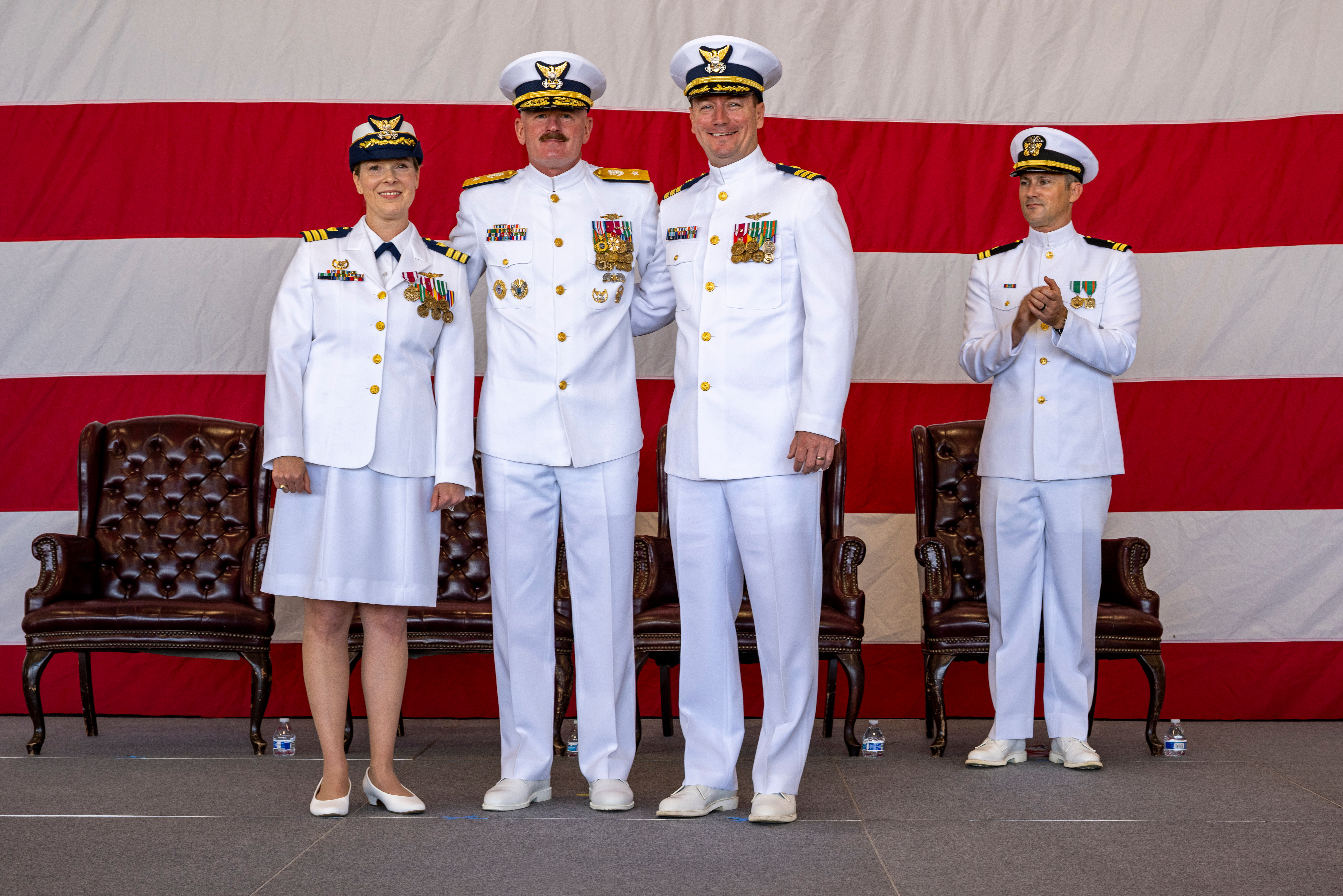
Few people can say they’re skilled helicopter pilots. Fewer still can say they’ve carried out high-stakes search-and-rescue missions—or coordinated them.
September 9, 2026
372030
/about/news/kirk-boone-retires-after-three-decades-property-tax-education
News
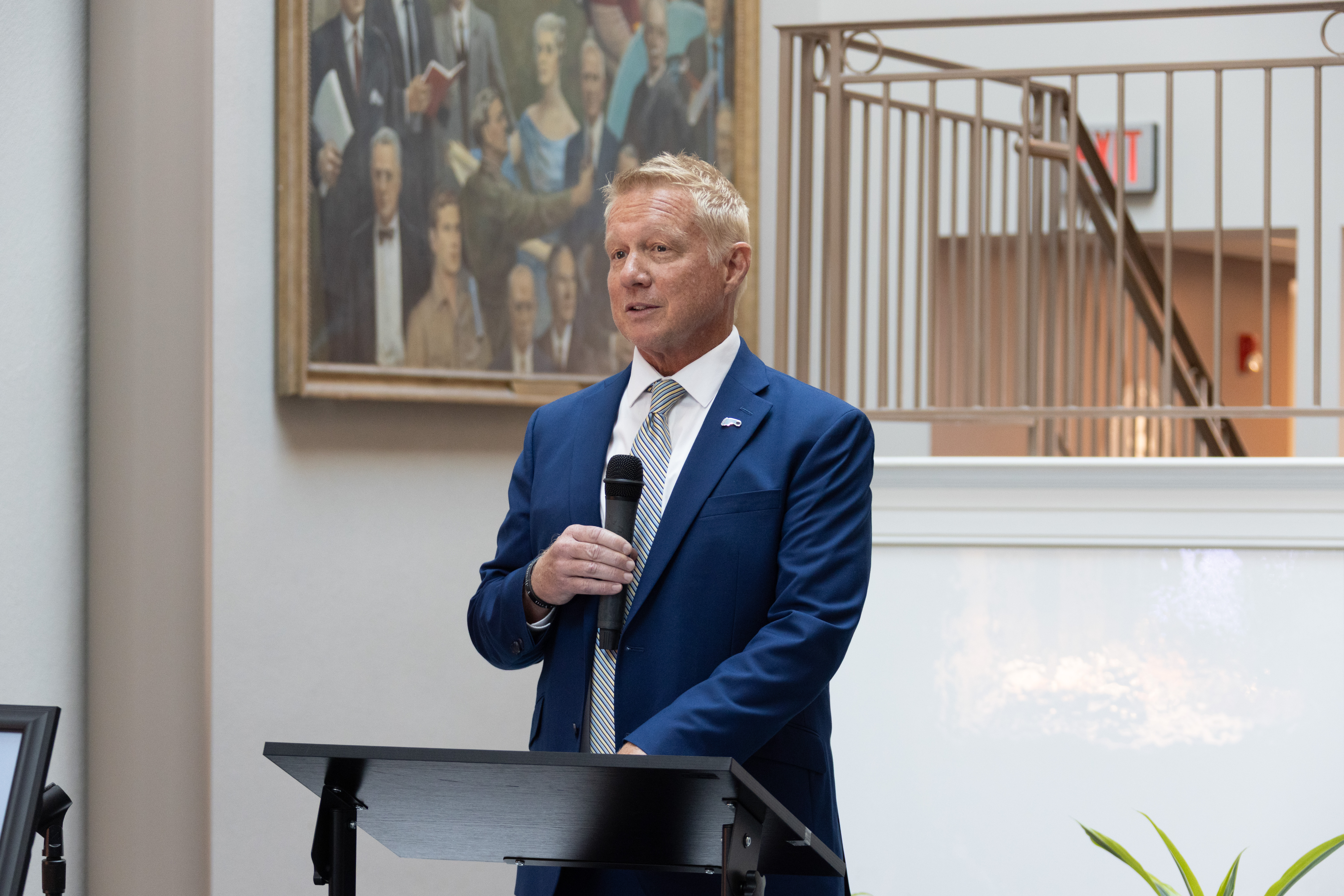
Kirk Boone, associate teaching professor of public finance and government and property assessment expert, retired from the UNC School of Government in August 2026.
August 26, 2026
371615
/about/news/once-lifetime-celebrating-cheryl-howells-34-years-service-north-carolina-family-law
News
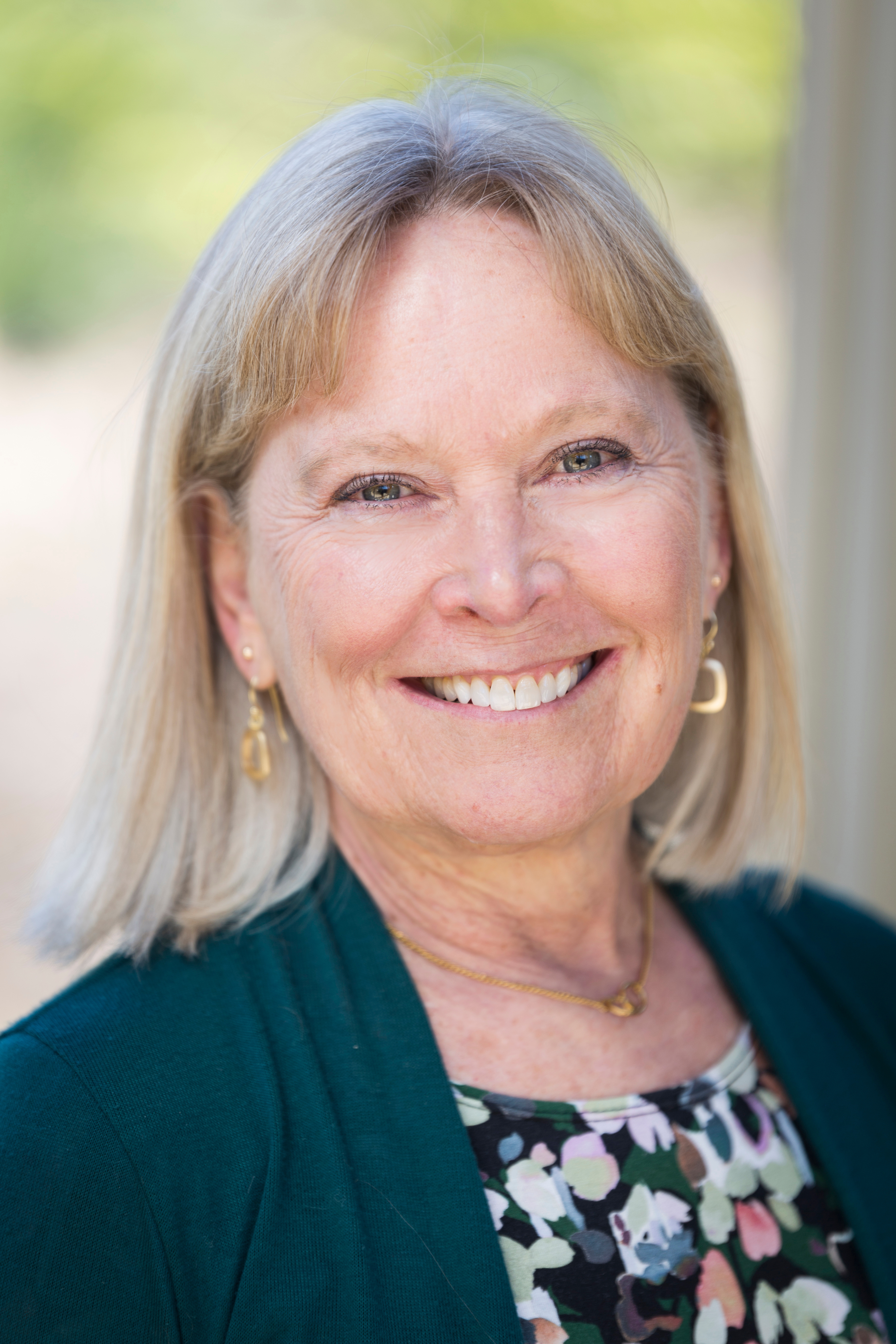
For more than three decades, Cheryl Howell has been one of North Carolina’s leading experts
August 26, 2026
371605
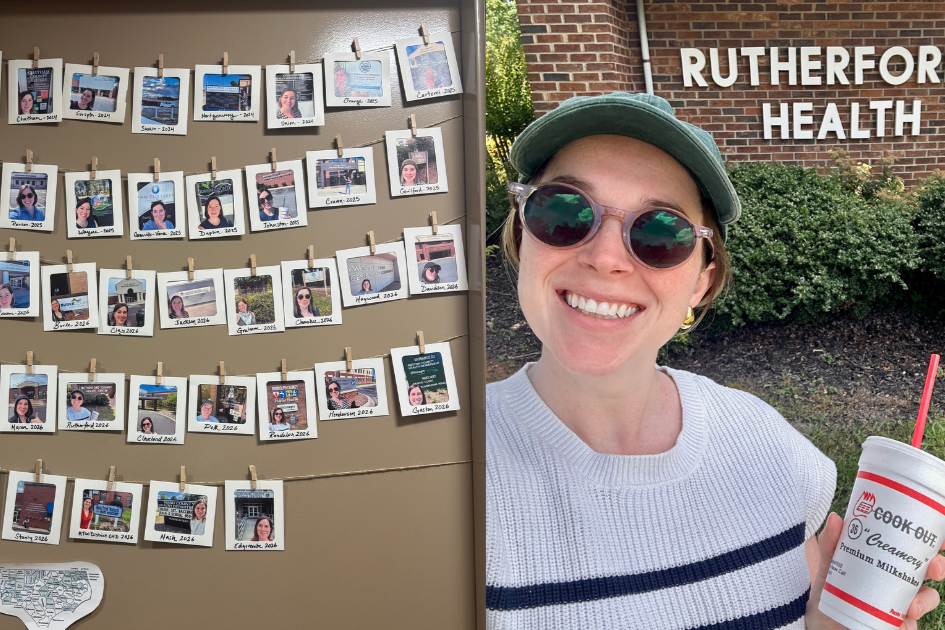
/about/news/mission-moment-kirsten-leloudis%E2%80%99s-county-county-commitment-public-health
News
Kirsten Leloudis calls herself a public health nerd.
August 20, 2026
371509
/about/news/unc-mpa-continuing-legacy-intentional-admissions
News
The School of Government's Master of Public Administration program is proud to be ranked among the top 20 programs nationally for public affairs, 9th in public management, and 2nd in local government by U.S. News & World Report.
August 12, 2026
371333
/about/news/explore-schools-impact-across-all-100-north-carolina-counties
News
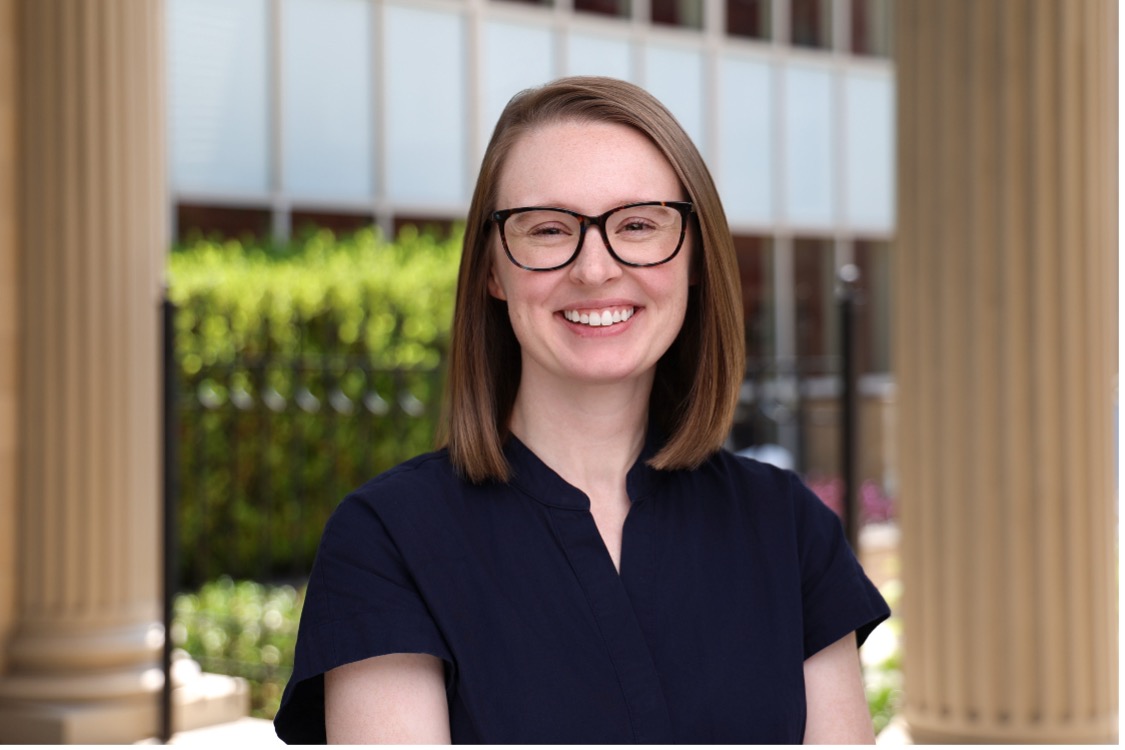
The UNC School of Government is pleased to announce
July 27, 2026
370970
/about/news/after-nearly-four-decades-service-rob-shepherd-retires-nc-city-county-management-association-and-unc
News
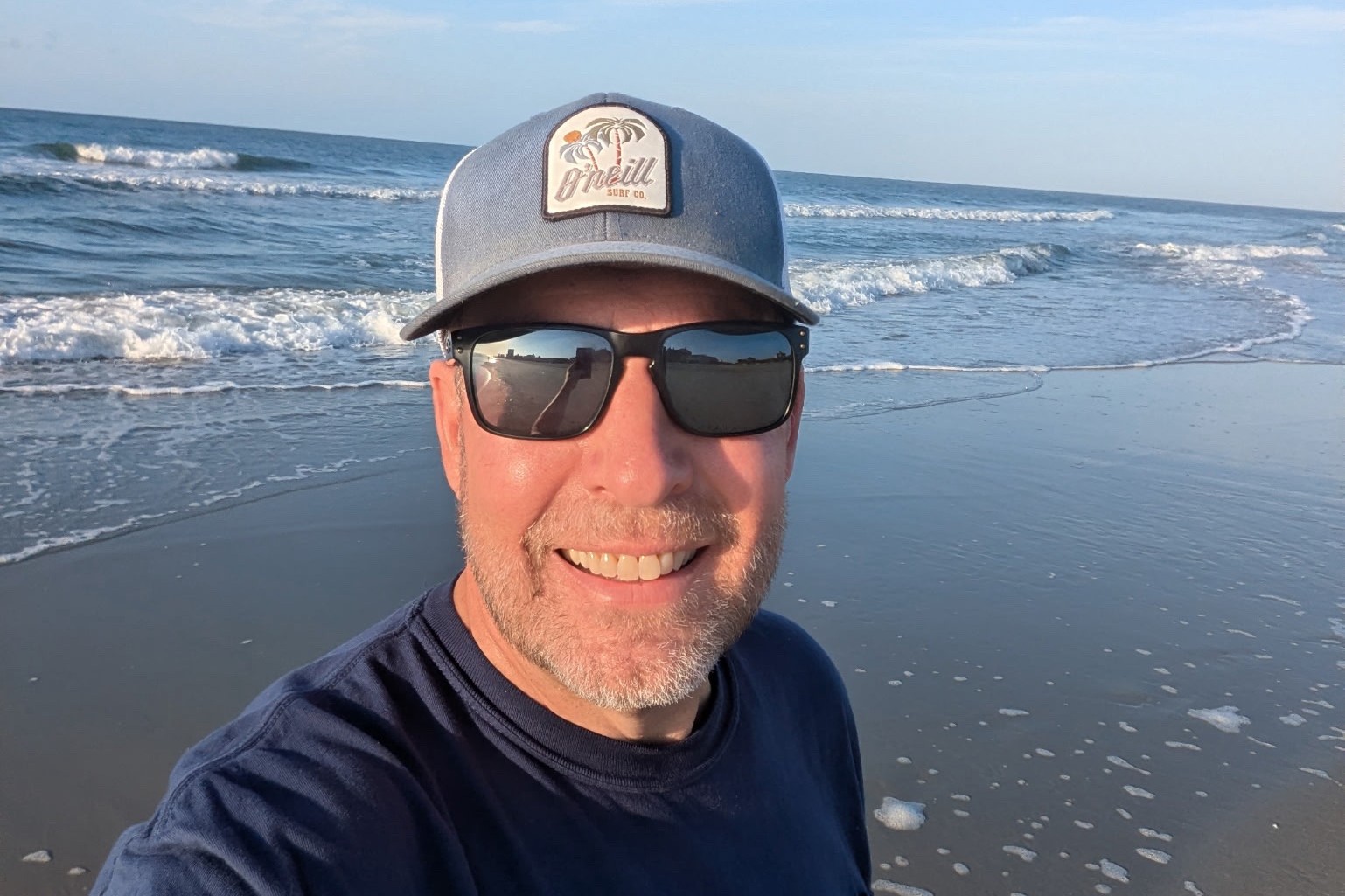
Rob Shepherd, a fixture of North Carolina local government for nearly 40 years, retired July 1, 2026, from his post as executive director of the North Carolina City & County Management Association (NCCCMA), closing out a career that touched nearly every city and county manager in the state.
July 17, 2026
370804
/about/news/serving-purpose-new-faculty-reflect-their-first-year-unc%E2%80%99s-school-government
News
For many, the first day of work brings jitters paired with anxious thoughts. Those of us in higher education may also ask bigger questions: What kind of impact will I have in this role? How can I make the most of this moment? At the School of Government, a place built on public service and civic education, these questions carry particular weight.
July 10, 2026
370590