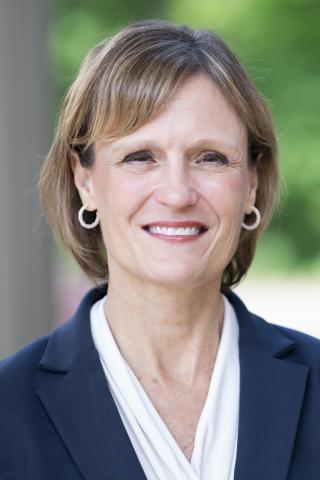
A light went out on the halls of justice over the weekend. And we are mourning. Chief District Court Judge H. Thomas (Tom) Jarrell, Jr. died unexpectedly last Saturday. He was many things: Chief District Court Judge for District 18, president of the North Carolina Association of District Court Judges, member of the NC Sentencing and Policy Advisory Commission, commissioner on the North Carolina Governor’s Crime Commission, husband to Cindy, and father to Thomas, Robert, and David. He was also a friend to many of us at the School of Government, and we will keenly feel his absence. Judge Jarrell had an impressive record of public service. He served seven years as an assistant district attorney before being appointed as a district court judge in Guilford County in August 1999. He spent the next twenty years serving in that role, and was appointed Chief District Court Judge by then-Chief Justice Mark Martin in 2016. After becoming chief, Judge Jarrell created a DWI court to reduce a backlog of thousands of pending DWI cases. To do that, he obtained buy-in from many interested parties, including law enforcement, the district attorney, the defense bar, the Administrative Office of the Courts, and the senior resident superior court judge, who agreed to allow a superior court courtroom to be used for DWI court. Judge Jarrell’s ability to engage people with differing interests and perspectives and to encourage their work to better the public interest was one of his many special talents. Judge Jarrell was simply [...]
- AboutAs the largest
university-based local
government training,
advisory, and research
organization in the United
States, the School of
Government serves more
than 12,000 public officials
each year. - Browse by RoleThe School provides
content and resources for a
wide array of local
government and judicial
officials in North Carolina.Select your role to explore
all related content.Local and State Government - Browse by TopicThe School provides content
and resources on a wide array
of topics in local government
and judicial administration in
North Carolina.Select a topic to explore all
related content.Local and State Government- State Government
- Planning and Development Regulation
- Community and Economic Development
- Environment
- General Structure and Authority
- Health and Human Services
- Human Resources
- Information Technology
- Intergovernmental Relations
- Law and Technology
- Leadership and Management
- Local Government Finance
- Open Government
- Other Local Government Functions and Services
- CoursesThe School of Government
offers up to 200 courses,
workshops, webinars, and
professional conferences
each year. - PublicationsThe School of Government
publishes essential books,
manuals, reports, articles,
bulletins, and other print and
online content related to state
and local government. - BlogsFaculty write for a number
of School of Government
blogs providing timely
updates on emerging issues. - ResourcesThe School of Government
offers information and
services related to a wide
range of topics relevant to
government and judicial
officials—in-person and on a
variety of platforms.- Blog Posts
- Centers and Services
- Frequently Asked Questions
- Knapp Library
- Legal Summaries
- Listservs
- Microsites
- Tools and Apps
Timely updates on emerging issuesSpecialized training/research hubs and consulting servicesAggregated answers to common questions on a variety of topicsPrint and online materials and research expertiseBrief descriptions of legal cases, bills, or legislative activityInformation exchanges for peers and faculty expertsIn-depth or aggregated content for local government and judicial officialsOnline and mobile tools for employees on-the-go The School of Government offers both
a Master of Public Administration and a undergraduate minor in Law, Government, and Public Service.Graduate degreempa.unc.eduUndergraduate programLGPSMinor.unc.edu- GivingThe School of Government depends on private and public support for fulfilling its mission. Your gift will make a lasting impact on the quality of government and civic participation in North Carolina.