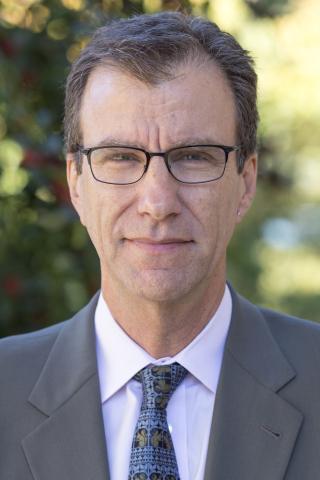
As regular readers know, I am in London for the fall semester as part of a more traditional academic program. I am happy to report that the tradition includes a fall break midway through the semester! By the time you read this, I will be taking in the beautiful vistas in some warm and sunny land (though still taking in some law at this ancient hall of justice). Ordinarily, faculty and staff at the School of Government don’t get a fall break (or a spring break or a summer break). They are available to you, if not 24/7, then 30 to 31/12 (30 to 31 days, except February, and 12 months a year, except holidays and vacations). I’m not suggesting that traditional academic work isn’t demanding. In the short time I’ve been here, I have gained a deeper appreciation of the demands of the work. But, I want to recognize the dedication and hard work of my School of Government colleagues, who have assisted countless people around North Carolina through consulting, teaching, research and writing, events, blogs, electronic resources, and countless other projects. I also know that without them, I could not do my work at the School or take advantage of this opportunity. I am grateful. Ciao
- AboutAs the largest
university-based local
government training,
advisory, and research
organization in the United
States, the School of
Government serves more
than 12,000 public officials
each year. - Browse by RoleThe School provides
content and resources for a
wide array of local
government and judicial
officials in North Carolina.Select your role to explore
all related content.Local and State Government - Browse by TopicThe School provides content
and resources on a wide array
of topics in local government
and judicial administration in
North Carolina.Select a topic to explore all
related content.Local and State Government- State Government
- Planning and Development Regulation
- Community and Economic Development
- Environment
- General Structure and Authority
- Health and Human Services
- Human Resources
- Information Technology
- Intergovernmental Relations
- Law and Technology
- Leadership and Management
- Local Government Finance
- Open Government
- Other Local Government Functions and Services
- CoursesThe School of Government
offers up to 200 courses,
workshops, webinars, and
professional conferences
each year. - PublicationsThe School of Government
publishes essential books,
manuals, reports, articles,
bulletins, and other print and
online content related to state
and local government. - BlogsFaculty write for a number
of School of Government
blogs providing timely
updates on emerging issues. - ResourcesThe School of Government
offers information and
services related to a wide
range of topics relevant to
government and judicial
officials—in-person and on a
variety of platforms.- Blog Posts
- Centers and Services
- Frequently Asked Questions
- Knapp Library
- Legal Summaries
- Listservs
- Microsites
- Tools and Apps
Timely updates on emerging issuesSpecialized training/research hubs and consulting servicesAggregated answers to common questions on a variety of topicsPrint and online materials and research expertiseBrief descriptions of legal cases, bills, or legislative activityInformation exchanges for peers and faculty expertsIn-depth or aggregated content for local government and judicial officialsOnline and mobile tools for employees on-the-go The School of Government offers both
a Master of Public Administration and a undergraduate minor in Law, Government, and Public Service.Graduate degreempa.unc.eduUndergraduate programLGPSMinor.unc.edu- GivingThe School of Government depends on private and public support for fulfilling its mission. Your gift will make a lasting impact on the quality of government and civic participation in North Carolina.